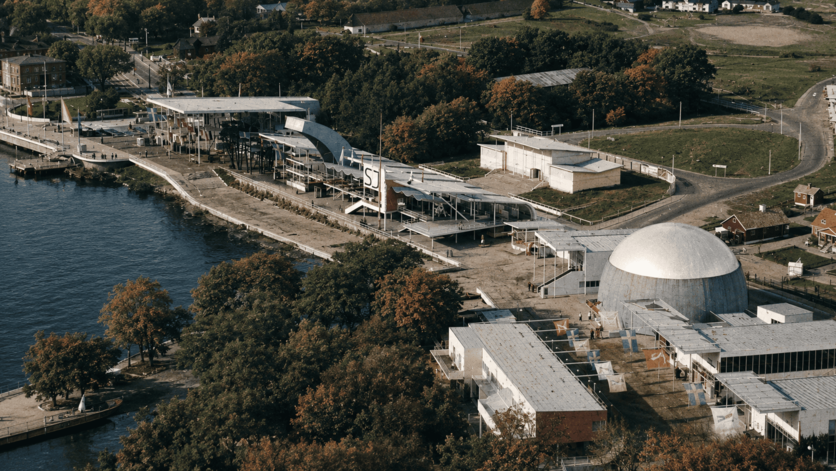
Sweden
Stockholm 1930
Fragmented multilingual collections connected through digital twins, AI-driven metadata and federated workflows.
Fragmented multilingual collections connected through digital twins, AI-driven metadata and federated workflows.
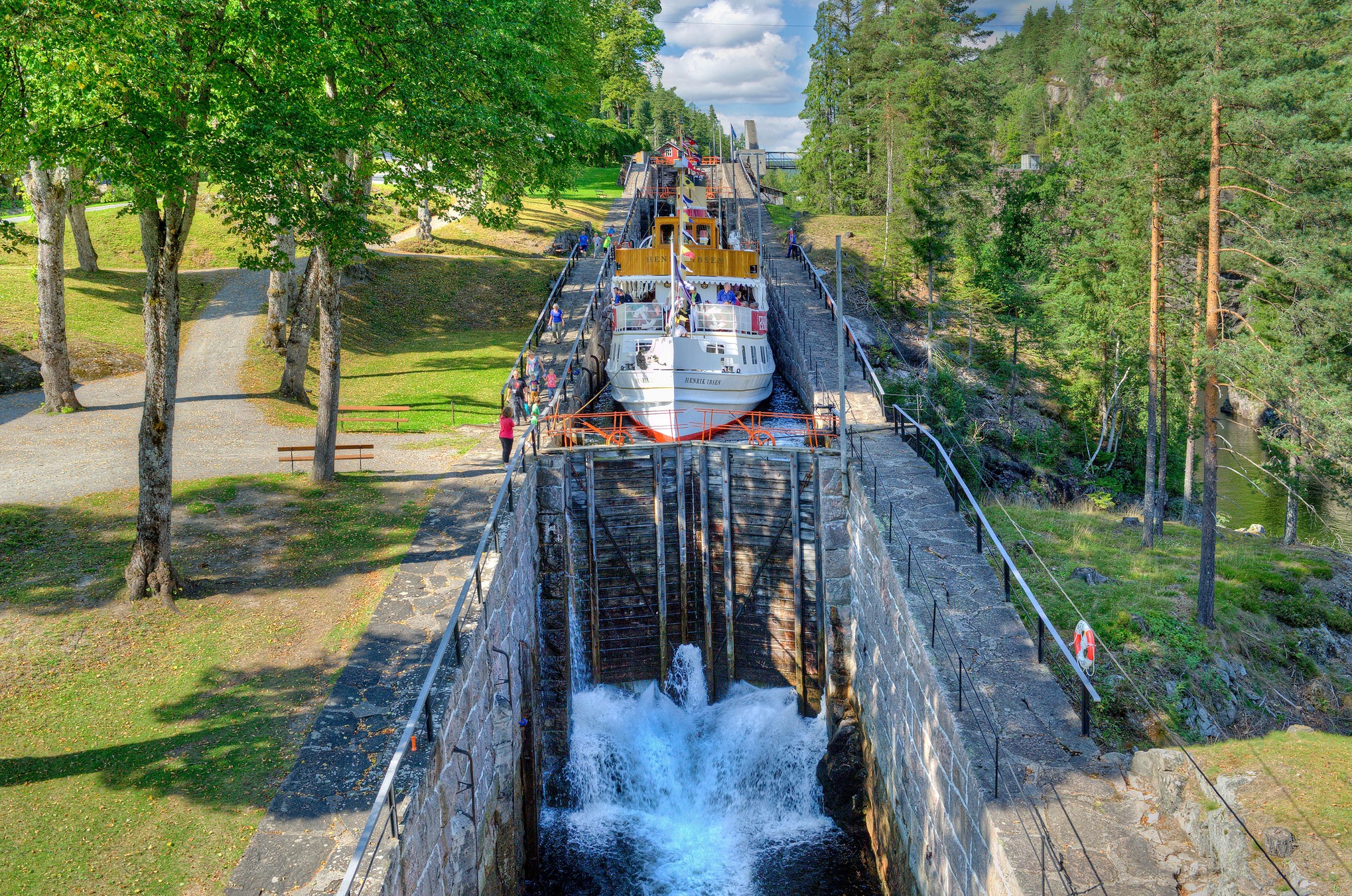
Monitoring, predictive control and environmental resilience tested in a real heritage environment.
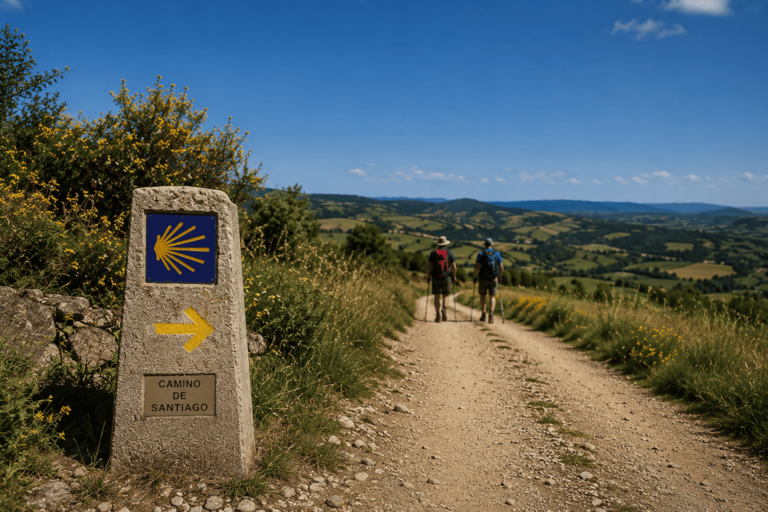
The complete data-to-twin pipeline tested with smaller cultural organisations under everyday working conditions.
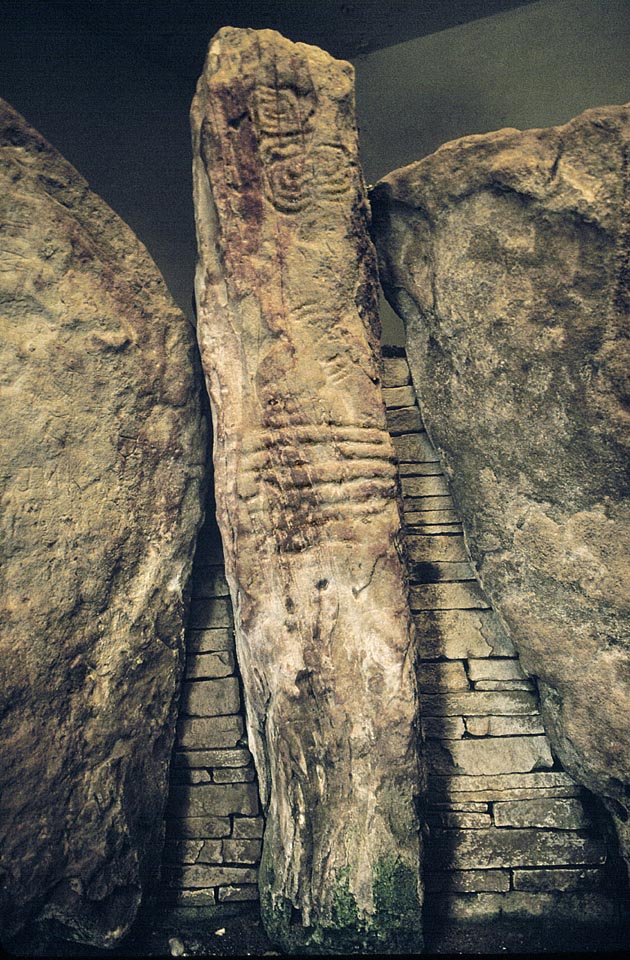
Sensors, edge AI and digital twins monitor fragile Neolithic remains and simulate emergency scenarios.
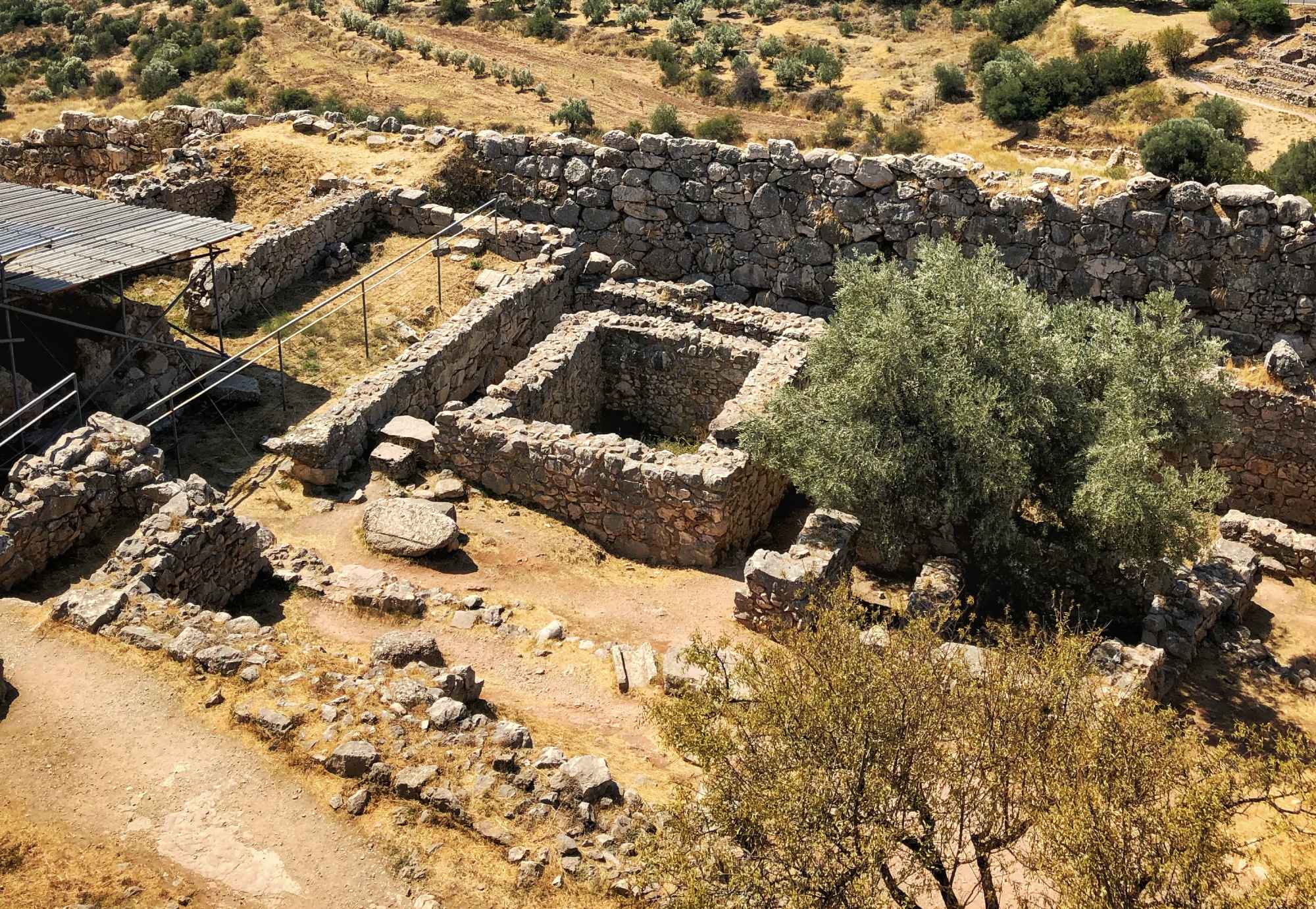
Archaeological datasets, digital twins and XR environments connect buried sites with interactive exploration.
Consortium kick-off in Brussels, 7–8 September.
Pilot plans, technical baselines, data responsibilities, rights and access conditions.
Digital twins built and validated across the five sites, with users involved throughout.
Evidence compared across sites rather than site by site.
Methods, standards and results published for other heritage organisations to reuse.
HERITWIN strengthens Europe’s cultural resilience by validating the European Collaborative Cloud for Cultural Heritage (ECCCH) through five real large-scale pilots in Sweden, Norway, Spain, The UK (Northern Ireland), and Greece. The project advances semantic digital twins, eXtended Reality reconstructions, preparedness modelling tools to support conservation, education, public engagement, tourism, and interoperable European data spaces.
HERITWIN will: (1) deliver interoperable cultural digital twins aligned with Semantic Framework for Cultural Heritage through Conceptual Reference Model (CIDOC-CRM), European Data Model (EDM), and FAIR principles; (2) demonstrate predictive conservation and risk preparedness using sensor networks and AI-based modelling; (3) widen participation through multilingual eXtended Reality tools and co-creation platforms; (4) ensure sustainable adoption via federated data spaces, open source governance, and compliance with GDPR and the AI Act; and (5) contribute directly to European and international standards and policy for trustworthy, inclusive cultural heritage digitisation.
Key activities include immersive co-design with institutions and communities, reference implementations of cultural twin pipelines, federated access-control frameworks, and open source governance structures. Cross-pilot validation will assess scalability, cost-effectiveness, and compliance with European standards, with results channelled into relevant standardisation bodies.
Expected outcomes include more than five operational cultural twins, over 500 active users, predictive conservation systems that reduce risk impacts by at least 15%, and open frameworks that enable replication across Europe. Thus, HERITWIN will deliver measurable cultural, societal, and technological impact: safeguarding heritage, engaging citizens in a shared European culture, and reinforcing Europe’s leadership in interoperable, sustainable, and ethical digital heritage infrastructures.
Scattered scans, surveys and archival records brought into a form that can be found and reused.
Cultural digital twins created or verified against the physical site, with assumptions recorded.
Shared vocabularies and standards so records from different institutions can be read together.
The people responsible for the site after the pilot ends, tested as the actual users of the workflow.
This pilot demonstrates ECCCH through the reconstruction of fragmented multilingual collections related to the Stockholm Exhibition of 1930. Museums, archives and research centres collaborate using digital twins, AI-driven metadata enrichment, adaptive content and federated workflows. The pilot will validate ECCCH workflows and generate reusable frameworks, educational resources and recommendations for heritage organisations across Europe.
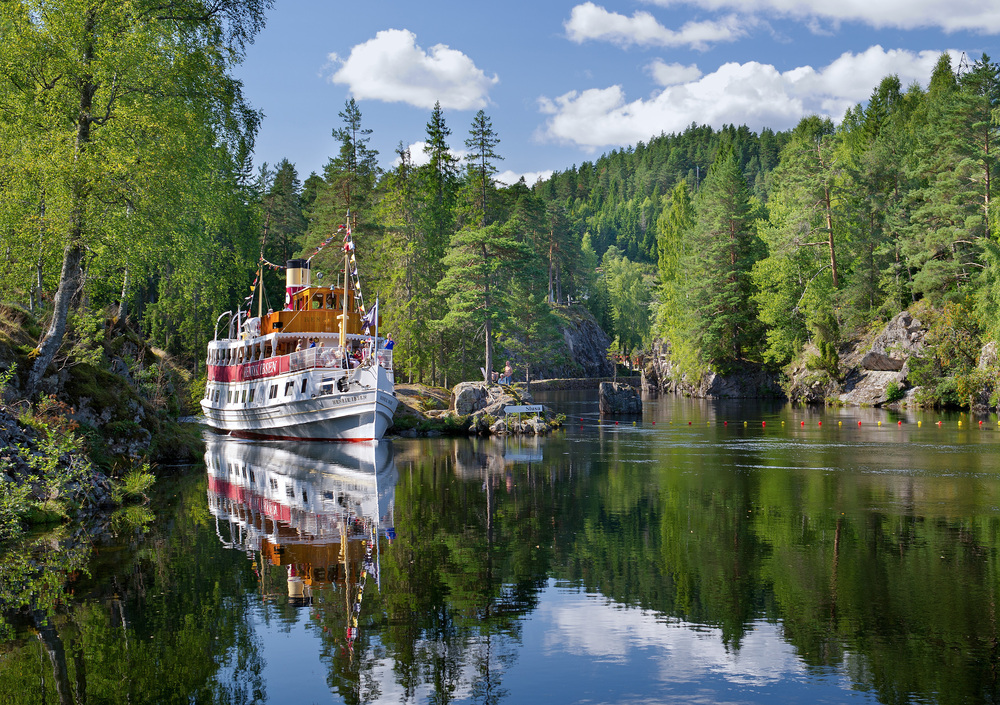
This pilot tests ECCCH monitoring and predictive control in a real heritage environment. Digital twins model risks such as humidity spikes, flooding and emergency evacuations, while AI supports hazard mitigation, adaptive regulation and stability control. The pilot also analyses visitor flows and environmental changes to strengthen the resilience and preparedness of cultural heritage assets. Read more
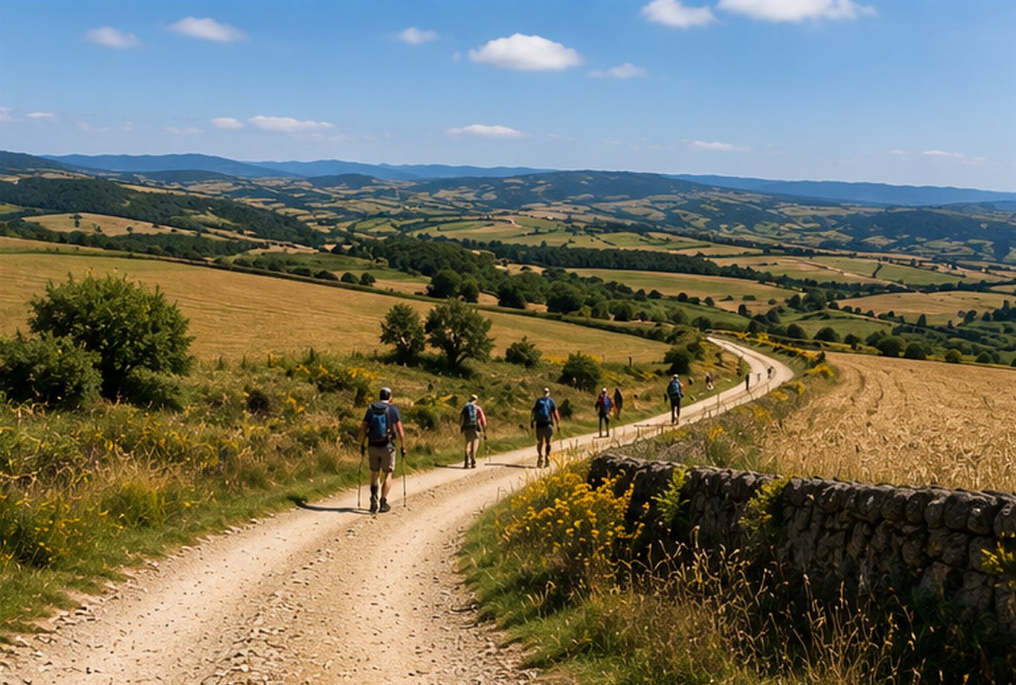
This pilot validates ECCCH with five Camino de Santiago organisations, focusing on the needs of small and medium-sized cultural organisations. It tests bulk digitisation, multi-user sessions and diverse asset types, while connecting ECCCH with the Common European Data Space for Cultural Heritage and EOSC. The full pipeline, from data ingestion and semantic enrichment to digital twins and collaborative interpretation, will be evaluated under everyday working conditions.
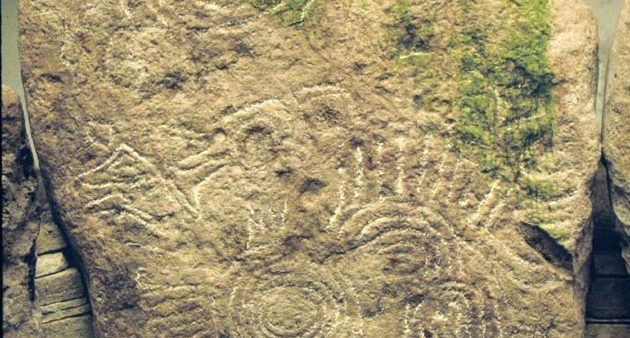
This pilot tests an integrated sensor, edge, cloud and action chain in real heritage contexts to safeguard fragile Neolithic remains. Sensors and edge-based AI monitor environmental conditions, while digital twins simulate extreme weather, visitor surges and emergency scenarios. The pilot also evaluates risk assessment, early detection of material degradation, data sharing and interoperability between institutions.
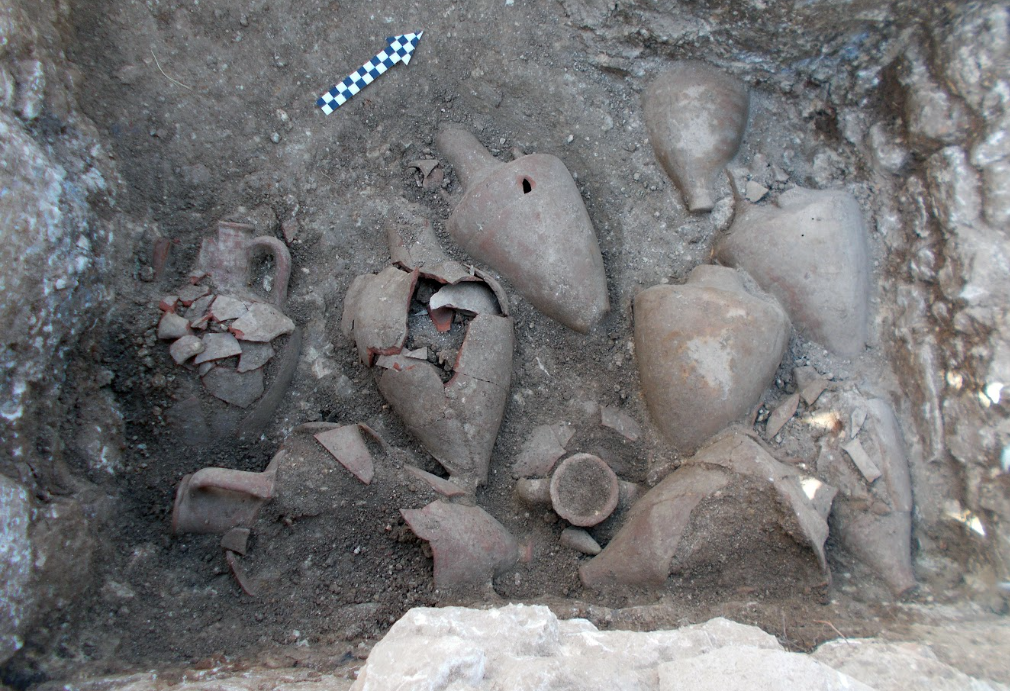
The Aphytos pilot tests the complete ECCCH–Digital Twin–XR workflow using semantically enriched archaeological datasets and interoperability standards. Digital twins will reconstruct the stratigraphy and spatial context of buried sites and connect them with AR and VR environments for interactive exploration. AI services will support content delivery, accessibility and metadata enrichment, while the pilot will also explore collaboration between heritage professionals, educators, tourism operators and cultural industries.





The European Collaborative Cloud for Cultural Heritage (ECCCH) —or simply the Cultural Heritage Cloud—is a landmark EU initiative building a shared digital infrastructure to connect cultural heritage institutions and professionals across Europe. The platform aims to democratize access by offering specialized digital tools that level the playing field for smaller, remote institutions.
By introducing cutting-edge technology for artifact digitization and artwork research, the Cloud brings a powerful digital dimension to preservation, conservation, and restoration. It empowers organizations of any scale, alongside professionals and enthusiasts alike, to manage their digital assets more effectively. This is achieved through boosted visibility, stronger interconnectivity, and seamless access to training and scientific resources designed to ease the sector's digital transition.
At the heart of this development is the ECHOES project (European Cloud for Heritage OpEn Science), co-funded by the European Commission and UK Research and Innovation (UKRI). ECHOES brings together fragmented communities into a unified network, coordinating outputs from various ECCCH-related calls, such as HERITWIN. This holistic approach builds a collaborative environment that sparks knowledge creation across both tangible and intangible heritage.
This digital space allows users to digitize knowledge and collaboratively analyze cultural phenomena. Here, both human experts and AI can co-create interpretations that deepen our understanding of history and art.
One of the project's most ambitious goals is developing 'Digital Twins' of heritage objects. By blending multidisciplinary data, these Digital Twins enable users to interact with and explore artifacts in entirely new ways, encouraging collaborative, science-backed research.
Looking ahead to 2028, ECHOES will launch a unified platform blending EU and national heritage projects. To guarantee its future, the project will establish a permanent legal entity, ensuring the Cloud continues to serve the sector's digital needs for years to come.
For further information and to stay updated on the developments of the Cultural Heritage Cloud visit the dedicated website: echoes-eccch.eu